Guide · Clubs and crews
Running clubs and crews in Seoul.
Seoul has hundreds of running groups, almost all of them organised on Instagram and KakaoTalk rather than websites. Here is how the scene actually works, which clubs welcome English-speaking visitors, and what to expect when you turn up.
The shape of the scene
Clubs, crews and brand runs, three different things.
When people say "running club" in Seoul they usually mean one of three things, and they behave differently enough to be worth telling apart.
The long-running expat clubs
These are the closest thing to a Western running club , English-first, open to drop-ins, with a long enough history that you can find them via search rather than via a friend. Two worth knowing about:
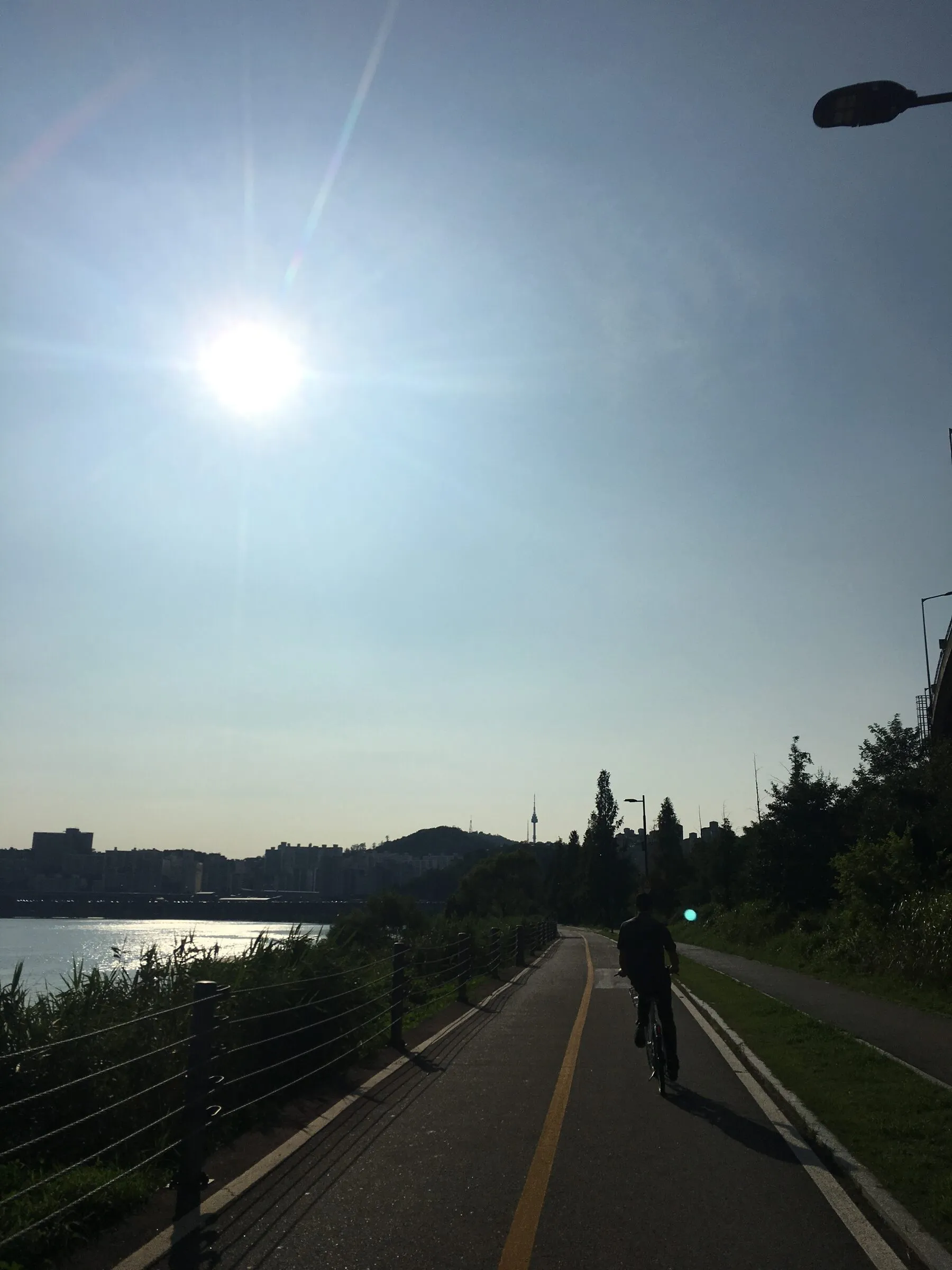
- Seoul Flyers, the established English-speaking running club in Seoul. Weekly group runs, mostly along the Han River, with social events around the races. A reasonable first stop if you are new to the city.
- Hash House Harriers (Seoul Hash), the local chapter of the international "hash". Less a running club than a social club that happens to run; expect a paper trail, beer at the end, and a long history of expat membership. Weekend runs.
Korean running crews (러닝크루)
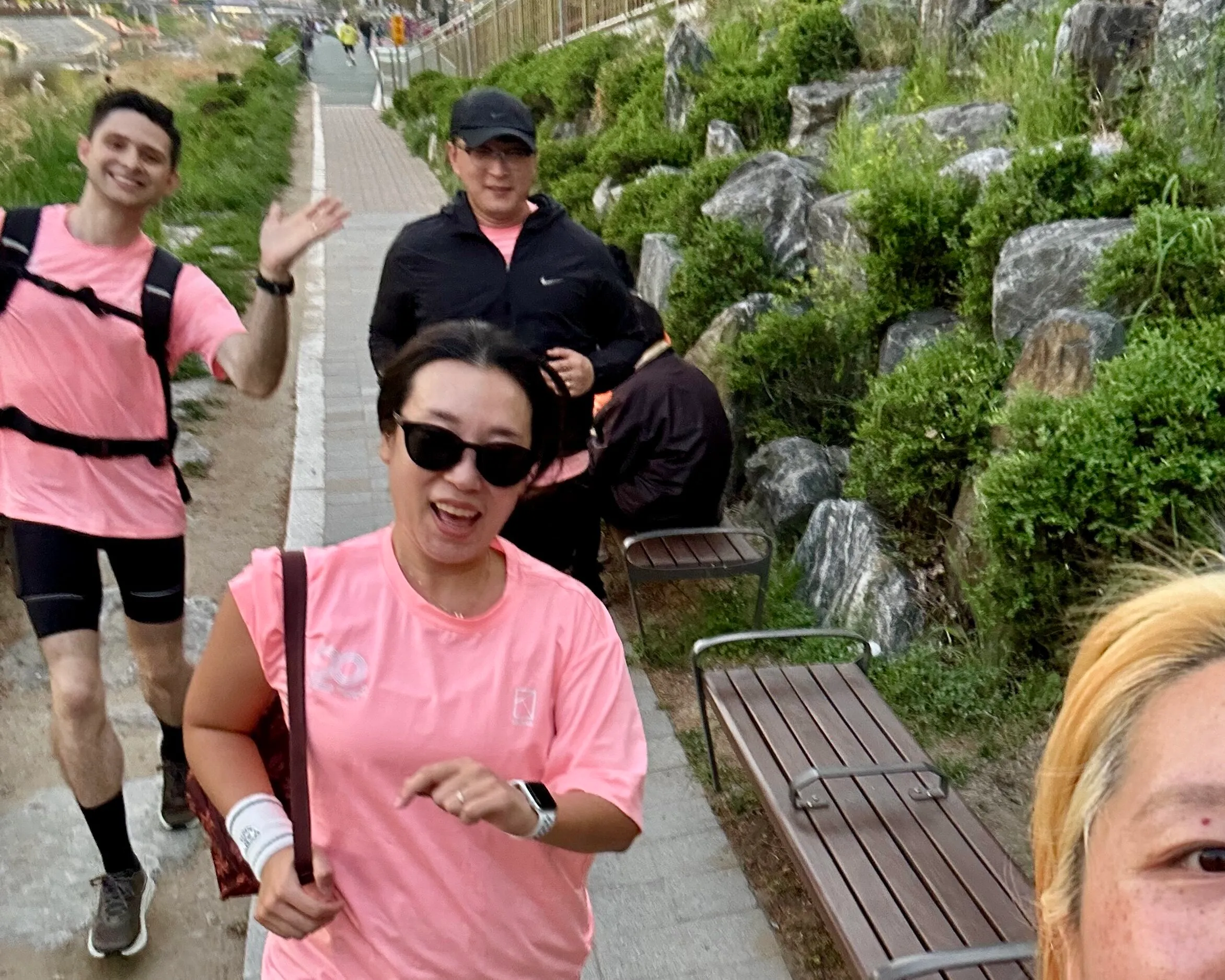
The dominant form of group running in Seoul. A 러닝크루 is smaller, neighbourhood-based, and almost always free , usually a Saturday morning long run and a weeknight short run, organised by a volunteer leader on Instagram and a Kakao chat. The vibe is social: people stay for breakfast or a beer after, and the friendships outlast the running.
Crews are everywhere, Yeouido, Mangwon, Seongsu, Jamsil, Itaewon all have their own. Many will accept an English-speaking drop-in if you message ahead. The fastest way to find one is to search Instagram for 러닝크루 plus your neighbourhood in Korean.
Brand-sponsored runs
The shoe brands run regular pop-up sessions in Seoul. Adidas Runners has been the most consistent, with weekly runs out of the Hannam and Gangnam stores. Nike, On, Salomon and Hoka all host periodic event runs around launches. These tend to be well-organised, free, capped, and at least partly in English. Sign-up is on the brand apps or the store Instagram pages.
If you are turning up
Etiquette and the small useful things.
- Arrive ten minutes early. Korean crew runs start on time. Late arrivals are common, but the lead group will leave without you.
- Find the leader. There is always one person calling the pace and the route. They are usually wearing the crew shirt and gathering people in a small circle. Introduce yourself; they will pair you with someone running your pace.
- Pace groups are common. Most crews of twenty or more split into two or three pace groups. Numbers in Korean are the same numerals you know, 5'00 is 5'00, so the signs are readable even if the chat is not.
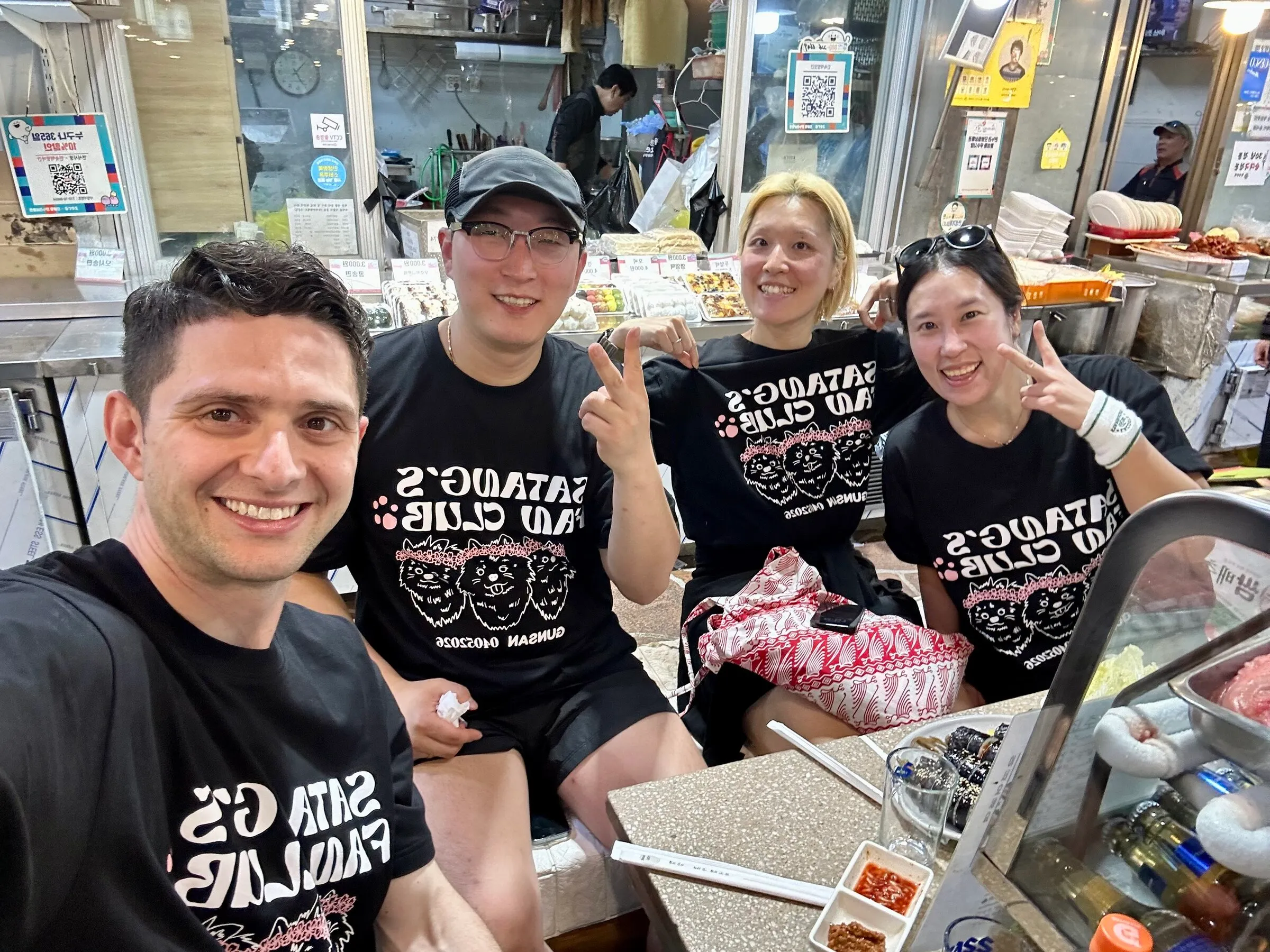
- After-runs are part of the deal. Many crews go for coffee, breakfast or beer after the long run. Expect to split a bill rather than pay for yours alone, and do not feel obliged to stay if it is not your thing.
- Photos are a normal part of crew culture. There will usually be a group photo at the start or end. Wave it off politely if you would rather not be in it.
FAQ
Short answers.
-
Are there running clubs in Seoul that speak English?
Yes, the long-running expat clubs (Seoul Flyers, Hash House Harriers Seoul) are explicitly English-first. Brand-sponsored crews like Adidas Runners run sessions in English or in mixed Korean/English. Beyond those, many Korean neighbourhood crews are fine with English-speaking drop-ins; the running language at any group run is mostly numbers and pointing.
-
What is a 러닝크루 (running crew)?
A running crew in Korea is a smaller, less formal version of a club, usually anchored to a neighbourhood or a workplace, meeting one to three evenings a week, often free, and run by volunteers on Instagram and KakaoTalk rather than a website. The big difference from a Western "running club" is that crews tend to be tight-knit social groups; you are joining a community, not paying for a service.
-
Can a tourist join a Seoul running club for one session?
Yes, on most of them. The expat clubs welcome drop-ins openly. Korean neighbourhood crews vary, some are open to anyone who turns up, some prefer a quick message on Instagram first. Bring water, a tip for the leader if cash is normal at that club (it usually is not), and do not expect to be handed off at the start; ask who is leading and stick with them.
-
How do I find a crew near where I am staying?
Three places. Instagram, searching 러닝크루 + neighbourhood name in Korean (e.g. 러닝크루 망원, 러닝크루 잠실). Strava clubs, filtered to Seoul. And the running-shoe shops, Running Lab and the Adidas, Nike, and On flagship stores all post upcoming crew runs on their windows and social.
If it is your first time
Want me to take you on the first one?
A private run is a softer way to start than walking into a twenty-person crew session on your own. I can point you toward the right crews afterwards, or run with you the whole trip if that is easier.
Keep exploring: routes to run solo, today's running weather, and the Korea race calendar for events the crews train toward.